Hunger, Trauma, Dignity and Community Food Support
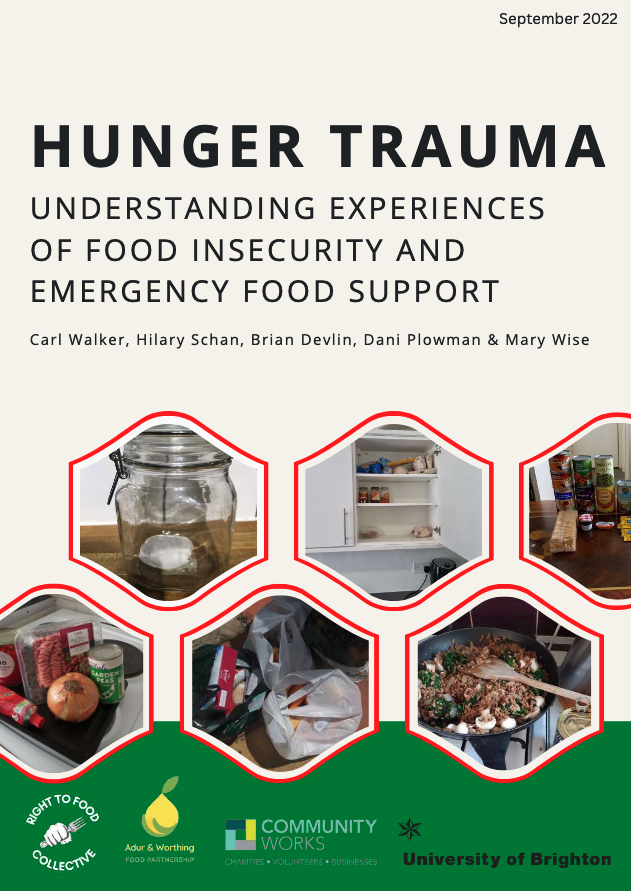
Understanding experiences of food insecurity and emergency food support
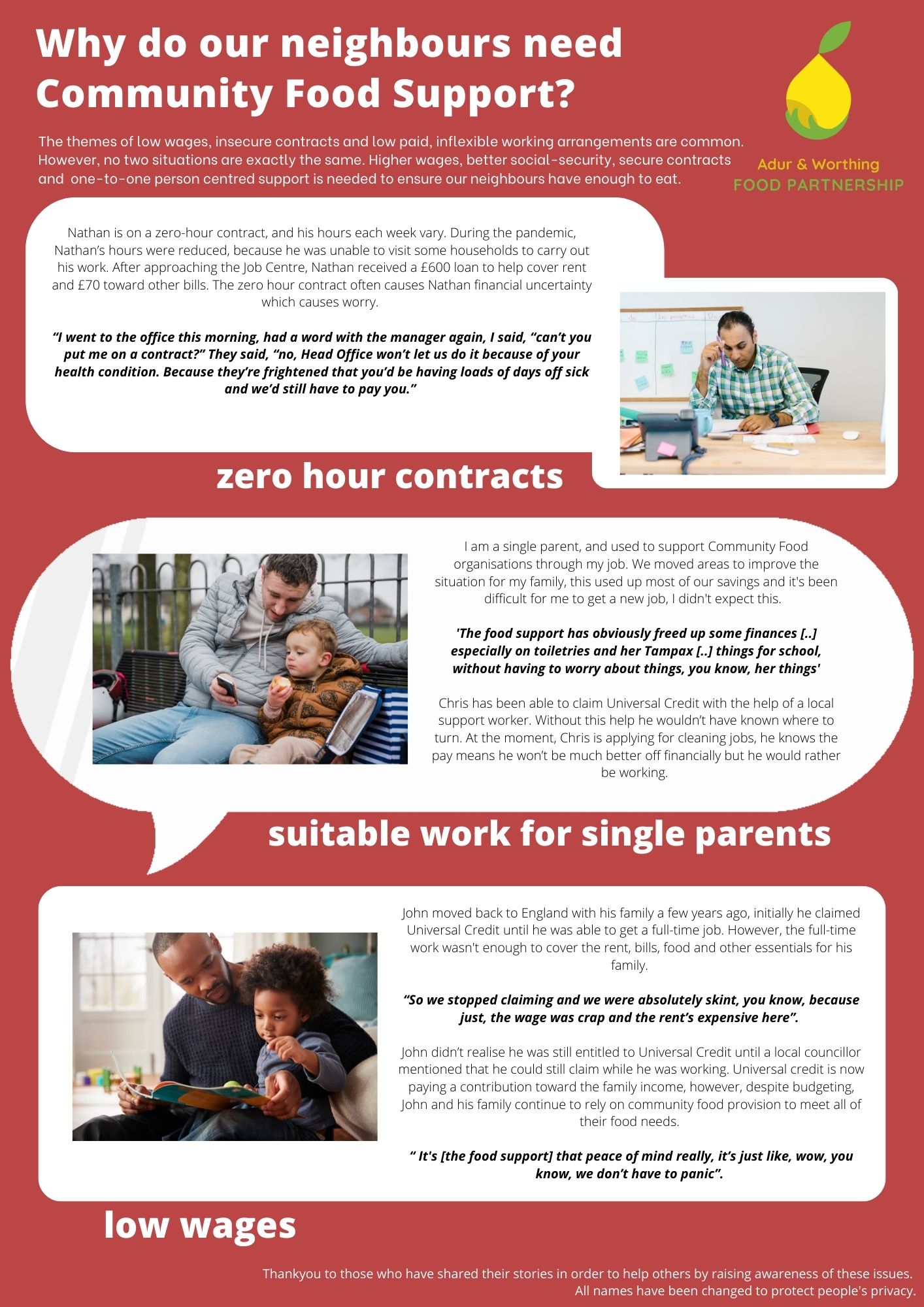
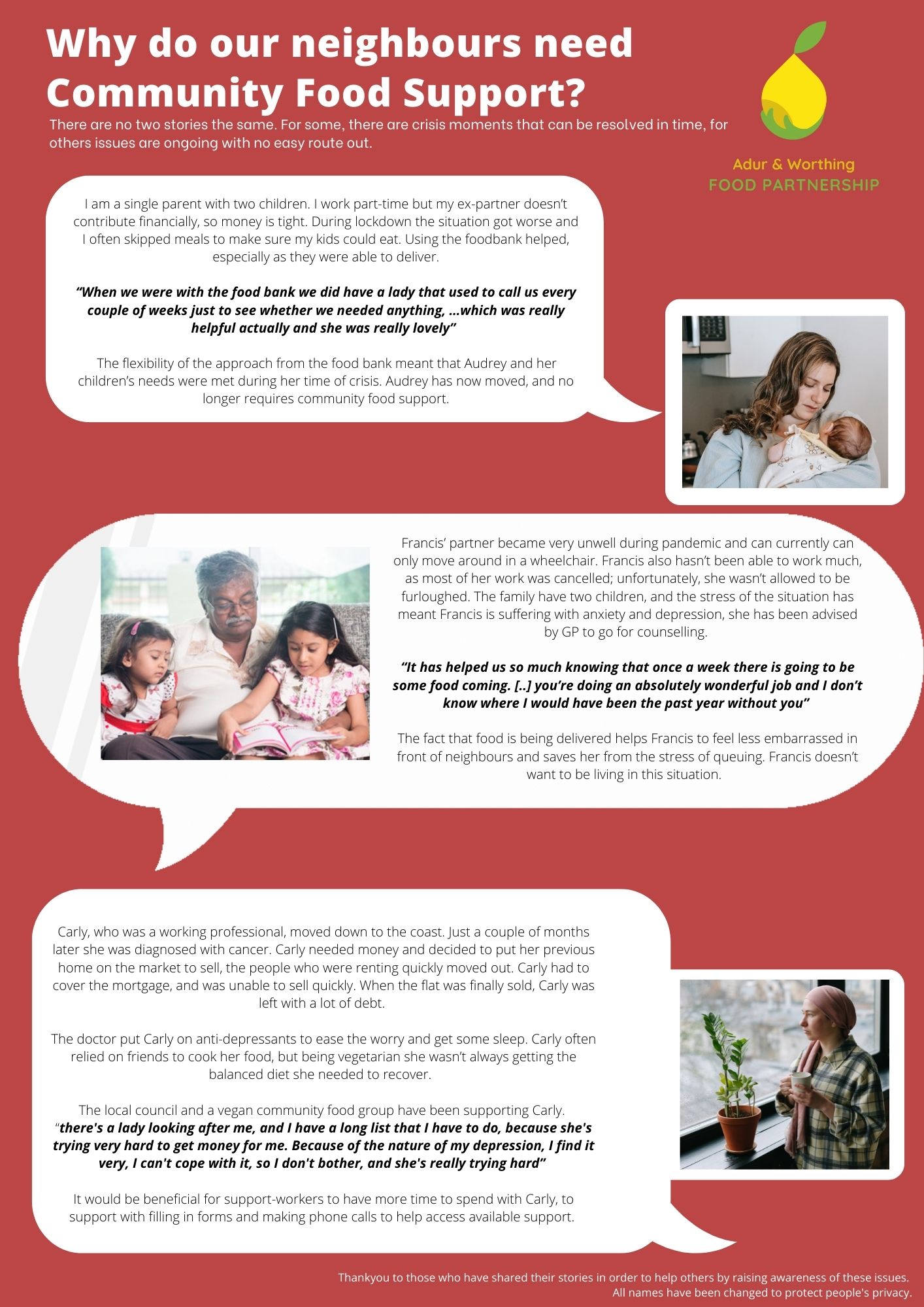
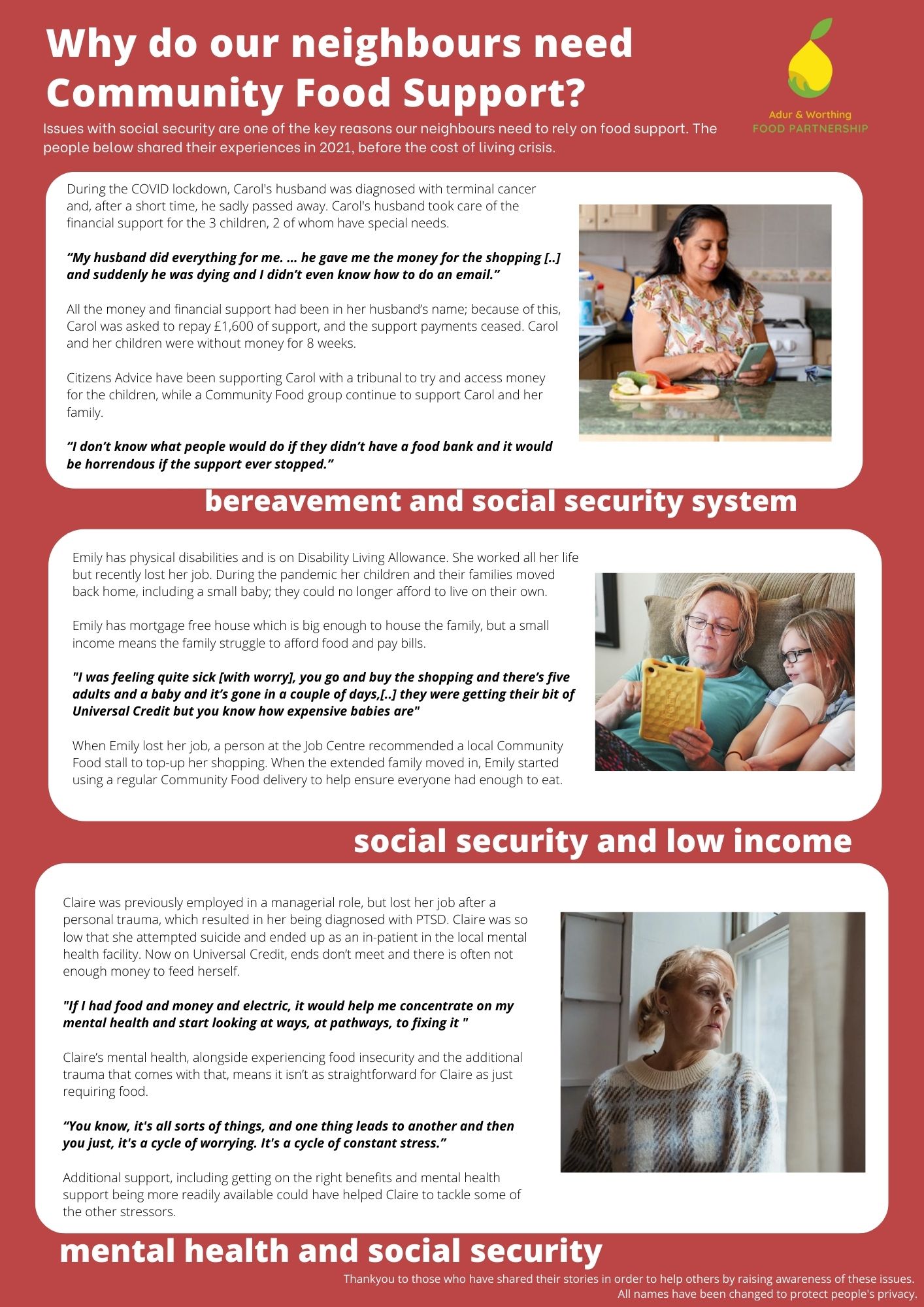
People accessing community food support were invited to participate in research to better understand the physical and emotional impact of relying on food support.
Much of the previous research into food insecurity has focused on the consequences of hunger in common meantal health terms, such as depression, anxiety and suicidal thoughts, as well as feelings of shame and humiliation. This risks undermining the wider nature of the trauma experienced.
The research makes it clear that hunger trauma is unique, as it leads to feelings of emotional distress and guilt, while also affecting people’s sense of identity and status. Those affected feel stripped of local value and are made to feel useless. People feel shame and humiliation about their situation, guilt about their ability to feed their family, and anxiety about whether they deserve to recieve support. As well as experiencing the physical pain and fatigue of hunger.